Vehicles represent a considerable investment, and it is understandable to desire to extend their longevity and performance. Consistent maintenance and some wise driving practices can greatly contribute to your car’s smooth operation for many years. This article provides crucial suggestions aimed at helping you maximize your vehicle’s durability and fuel economy.
Importance of Regular Maintenance
A primary element in prolonging your vehicle’s life is regular maintenance. Similar to any machinery, the components of your car may degrade over time, and frequent servicing allows you to spot and resolve problems before they escalate into expensive repairs. This encompasses various tasks, including changing oil and rotating tires, among others
Key maintenance activities for vehicles include
Oil Changes: The engine oil in your vehicle lubricates its moving parts, helping to prevent overheating and friction. Regularly replacing the oil ensures the engine operates properly and helps avert serious damage.
Brake Inspections: The braking system is essential for your safety. Routine checks of brake pads and fluid replacements are vital in keeping braking performance at its best.
Fluid Checks: In addition to oil, cars require several fluids, including coolant, transmission fluid, and power steering fluid. Low levels of these fluids can lead to engine overheating, transmission malfunctions, or loss of power steering, all of which can significantly affect your vehicle’s efficiency.
Enhance Car Efficiency with Driving Habits
Gentle Acceleration and Braking: Your driving style greatly influences fuel consumption. Rapid acceleration and abrupt braking use more fuel, lowering your car’s overall mileage. By gradually accelerating and braking gently, you can enhance your fuel efficiency by as much as 20%.
Avoiding Excessive Idling: Idling consumes fuel and can excessively stress the engine. Although modern vehicles are built to cope with short idling, prolonged periods can negatively affect engine functionality. If you find yourself stopped for over a minute, it’s advisable to turn off the engine and restart it when necessary.
Drive at Moderate Speeds: Driving at excessive speeds not only endangers your safety but also adversely affects fuel efficiency. Operating at speeds exceeding 60 mph (97 km/h) substantially reduces fuel efficiency since the engine must exert more effort to maintain such speeds. Adhering to speed limits and traveling at a moderate pace can conserve fuel and prolong your vehicle’s lifespan.
Minimize Use of Air Conditioning: Using air conditioning increases the load on the vehicle’s engine, particularly when traveling at slower speeds. Operating the AC during heavy traffic or when stationary can lead to diminished fuel economy. When feasible, utilize the AC sparingly or opt to lower the windows for fresh air on cooler days.
Keep Your Car Clean and Protected
Regular Washing and Waxing: Although maintaining cleanliness may appear to be just a visual concern, it serves a greater purpose than enhancing aesthetics. Accumulations of dirt, salt, and grime can result in rust, notably in regions prone to severe weather or where roads are salty. Frequent washes help to ward off corrosion and maintain the exterior of your vehicle.
Applying wax to your vehicle at intervals adds a layer of protection that guards the paint against dirt and ultraviolet rays that may lead to fading and degradation over time. This practice not only helps in retaining your car’s fresh appearance but also aids in extending its lifespan.
Interior Care: Looking after the inside of your car holds equal importance. Shielding the dashboard from UV exposure with a sunshade, along with using interior cleaners, prevents materials from becoming damaged or discolored. It is also prudent to eliminate any clutter that could hinder the operation of the car, including blocking air vents or seat adjustment mechanisms.
Tire Maintenance and Care
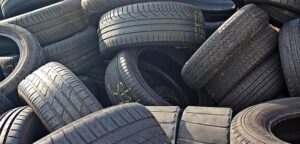
Why Tire Pressure Matters: Tires significantly affect your vehicle’s efficiency and safety. Insufficient tire pressure not only hampers fuel economy but also results in uneven tire wear, shortening their lifespan. It is advisable to check tire pressure at least monthly, particularly before embarking on lengthy journeys.
Properly inflated tires can enhance fuel efficiency by up to three percent, and adhering to the manufacturer’s guidelines for tire pressure can lead to increased tire longevity.
Regular Tire Rotation: Tires can wear inconsistently based on their placement on the vehicle. To address this, it is crucial to rotate your tires consistently, generally every 6,000 to 8,000 miles. This practice ensures that all four tires experience similar wear, prolonging their life and enhancing vehicle handling.
Alignment and Balancing: When tires are out of alignment, it can lead to disproportionate wear, diminishing their lifespan and affecting safety. If you observe your car veering to one side or sense vibrations while driving, it may be necessary to check the alignment. Proper alignment also contributes to effective fuel consumption.
Engine Efficiency and Fuel Economy
Use the Right Fuel: Always adhere to the manufacturer’s guidelines regarding the type of fuel to use. Utilizing premium fuel unnecessarily does not enhance engine performance, yet may result in higher costs. Conversely, using a lower grade of fuel in vehicles that require premium can adversely affect performance and efficiency.
Keep the Engine Clean: A tidy engine runs more efficiently, and routine inspections can identify early warning signs of issues like leaks or overheating. Utilizing fuel additives and changing the air filter regularly can boost engine performance as well as fuel efficiency.
Change Spark Plugs and Air Filters: The performance of the engine relies significantly on spark plugs and air filters. If spark plugs are worn out, misfires may occur, leading to a decline in fuel efficiency. Likewise, a blocked air filter impairs airflow to the engine, resulting in sluggish acceleration and diminished performance. Regularly replacing these components guarantees optimal engine operation, which can lead to fuel cost savings.
Battery Maintenance
Maintain Battery Cleanliness: A properly cleaned and maintained battery is essential for ensuring your vehicle starts effortlessly each time. As time passes, dirt and corrosion tend to build up around the battery terminals, leading to poor connections and difficulties in starting the car. Utilizing a mixture of baking soda and water to clean the battery terminals can help avert this accumulation.
Monitor Battery Charge: If your vehicle struggles to start, it may indicate a battery charge issue. It’s wise to test your battery frequently, especially prior to the colder winter months, as low temperatures can affect the battery’s performance. Replacing an old or defective battery can help you avoid being left stranded on the road.
Preventative Maintenance: Save Money in the Long Run
Observe Fluid Leaks: Fluid leaks are obvious indicators that something is malfunctioning in the vehicle’s system. Be it engine oil, transmission fluid, or coolant, keeping track of your fluid levels and quickly addressing any leaks can safeguard against costly engine repairs.
Tackling Problems Promptly: Should you detect any unusual sounds, odors, or warning indicators on your dashboard, do not disregard them. Minor issues that are not handled can grow into expensive repairs in the future. Consistent diagnostics and prompt repairs can save you money in the long run and ensure your car operates effectively for many years.
Conclusion
Extending both the lifespan and efficiency of your vehicle involves making wise decisions regarding maintenance and driving habits. Regular upkeep—from oil changes to tire rotations, fluid checks, and beyond—helps avert significant problems and keeps your car functioning optimally. On the road, practicing careful driving techniques can also enhance fuel efficiency and minimize wear and tear on your vehicle. Whether you are traveling nearby or embarking on a lengthy road trip, maintaining your car not only reduces expenses but ensures a safer and more satisfying driving experience for years to come.
By implementing these straightforward yet impactful actions, your vehicle will serve you dependably and efficiently, providing you with excellent value for your investment.